

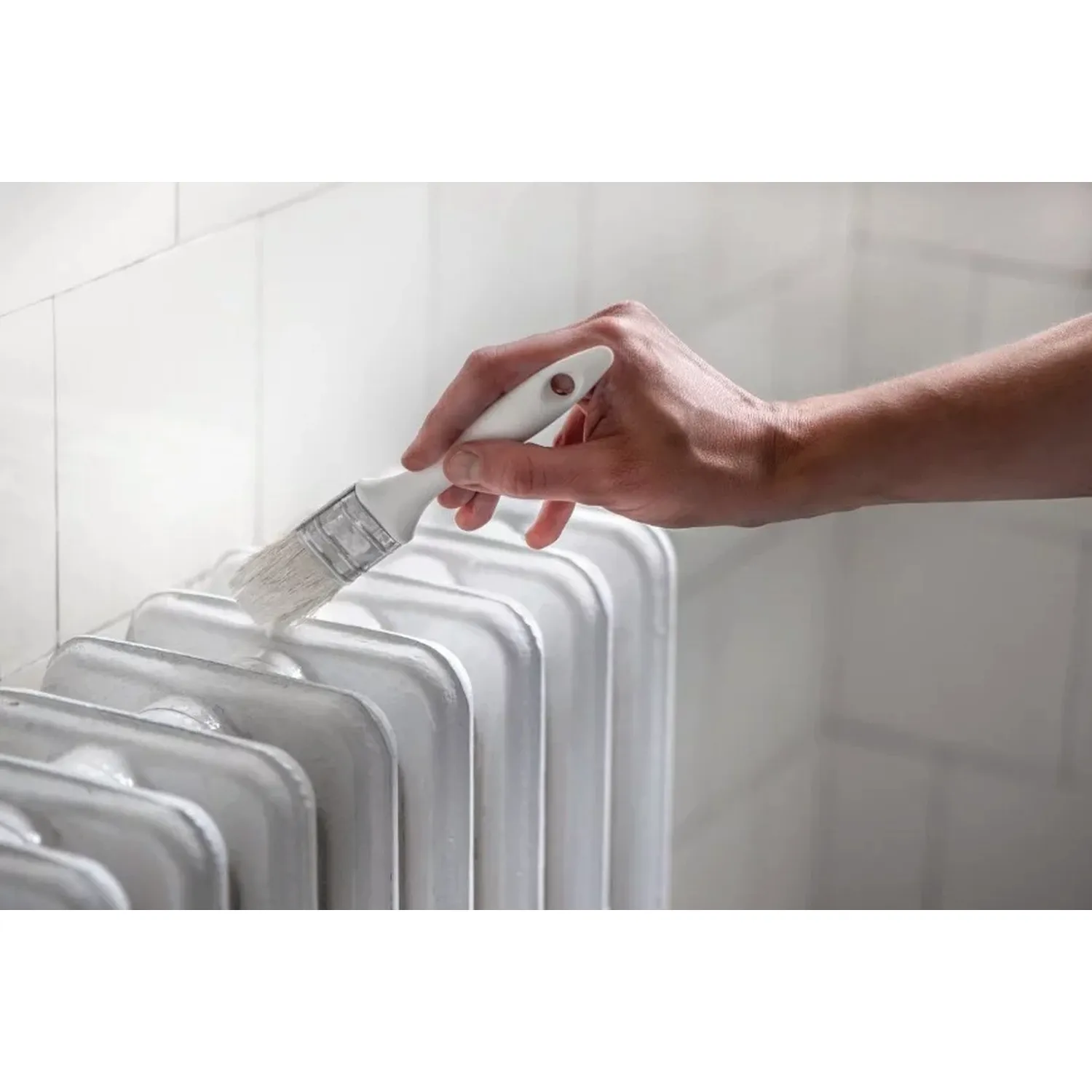
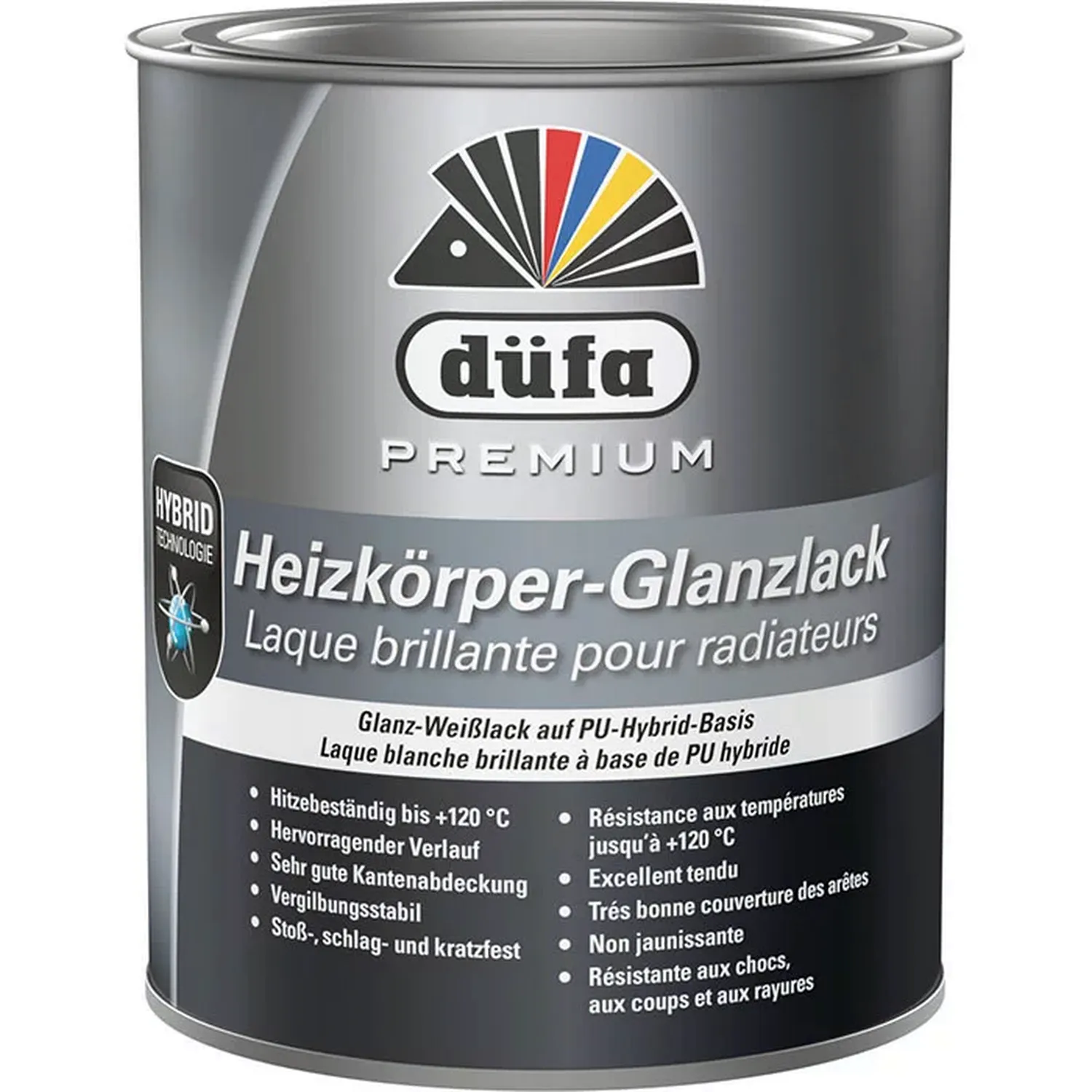
Short answer: To paint a radiator, turn the heating off and let the radiator cool down completely. Then remove rust and loose paint, sand well-adhering old paint to a matt finish and wipe off the dust. Prime bare metal spots with a rust-protection primer. Then apply one to two coats of undiluted Düfa Radiator Gloss Paint: fins and gaps with a radiator brush or a narrow radiator roller, flat surfaces with the roller. According to the manufacturer, the paint is heat-resistant up to 120 °C, does not yellow and needs approx. 80 to 100 ml per m² and coat. You will find more paints under Paints.
What you need: shopping list
Basic set (always required)
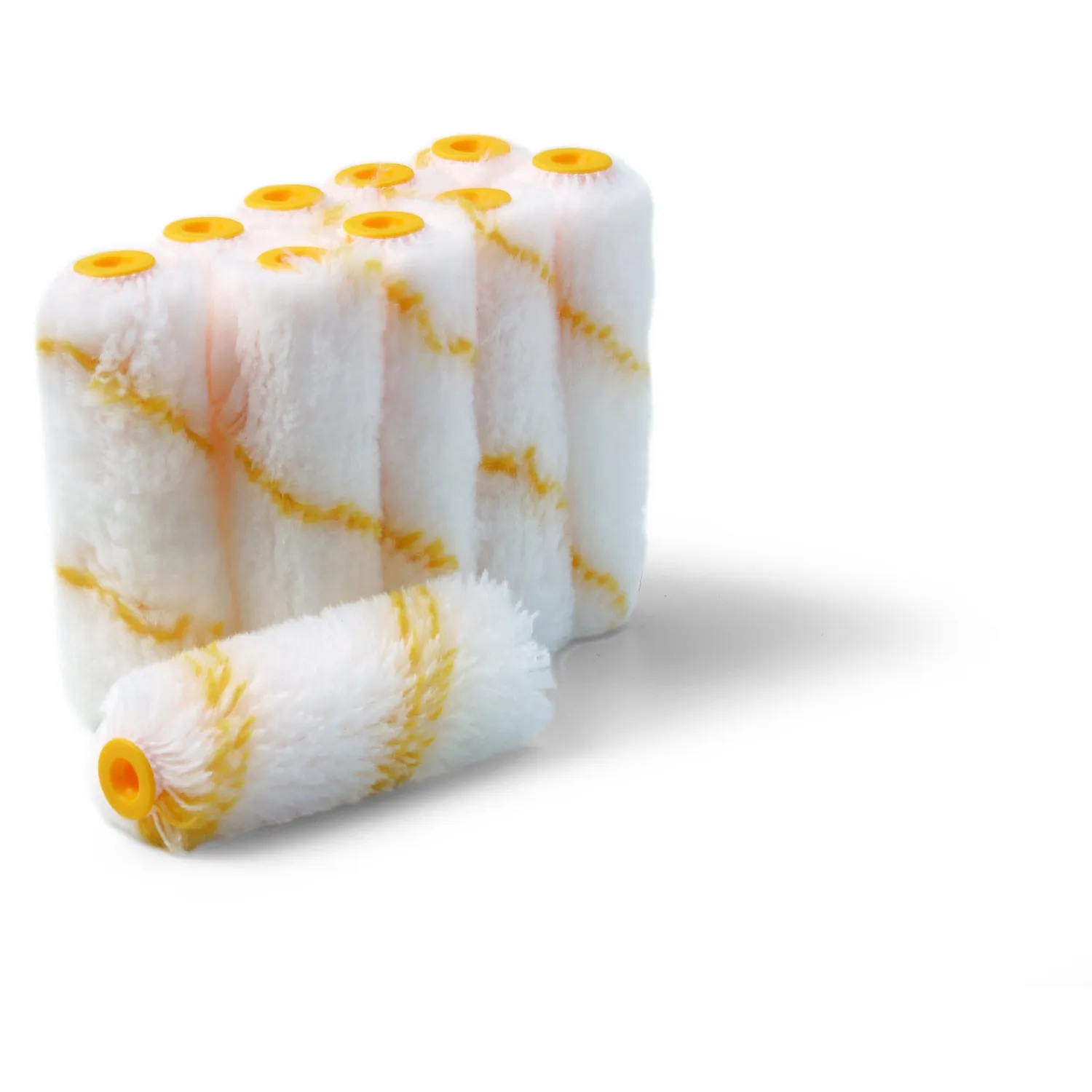
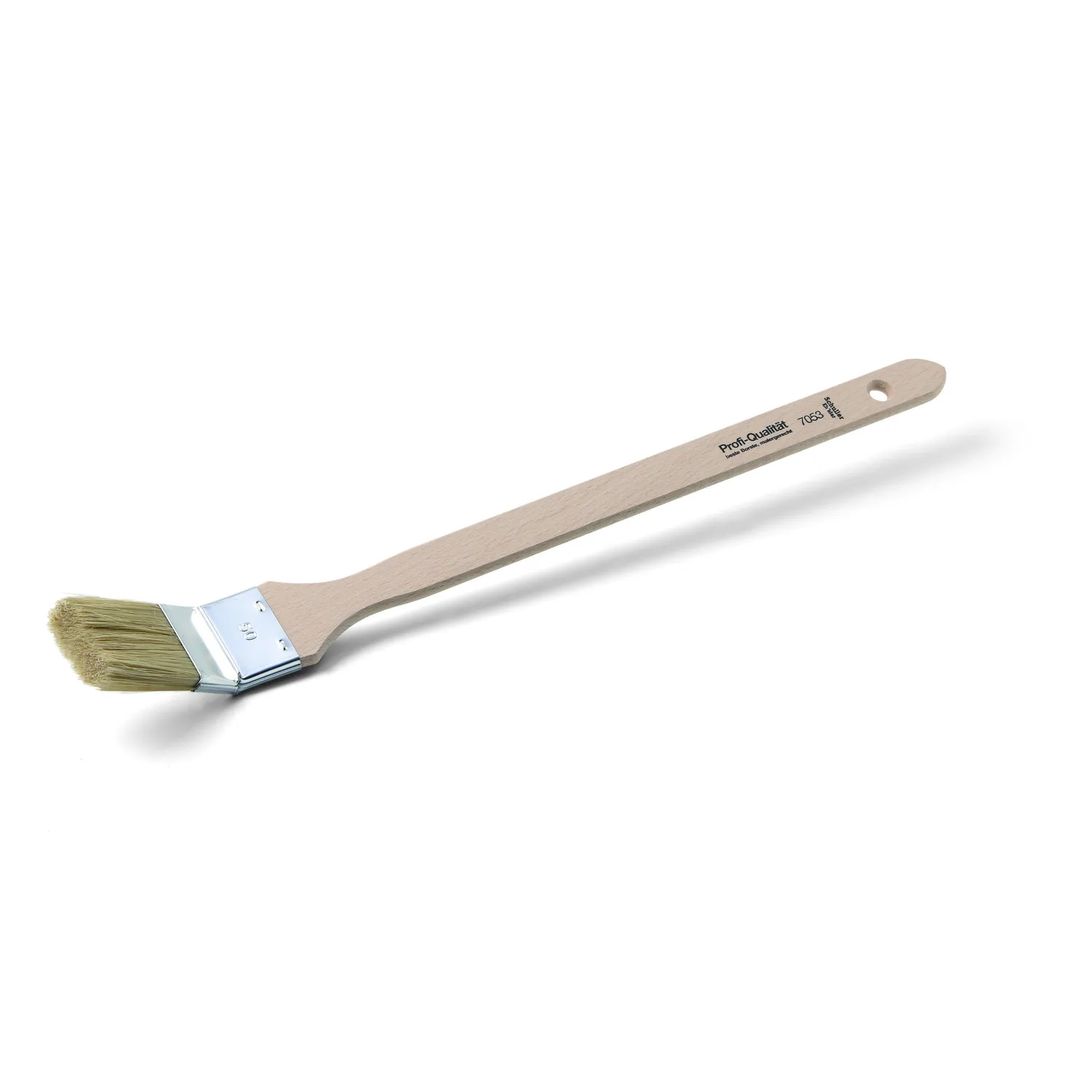
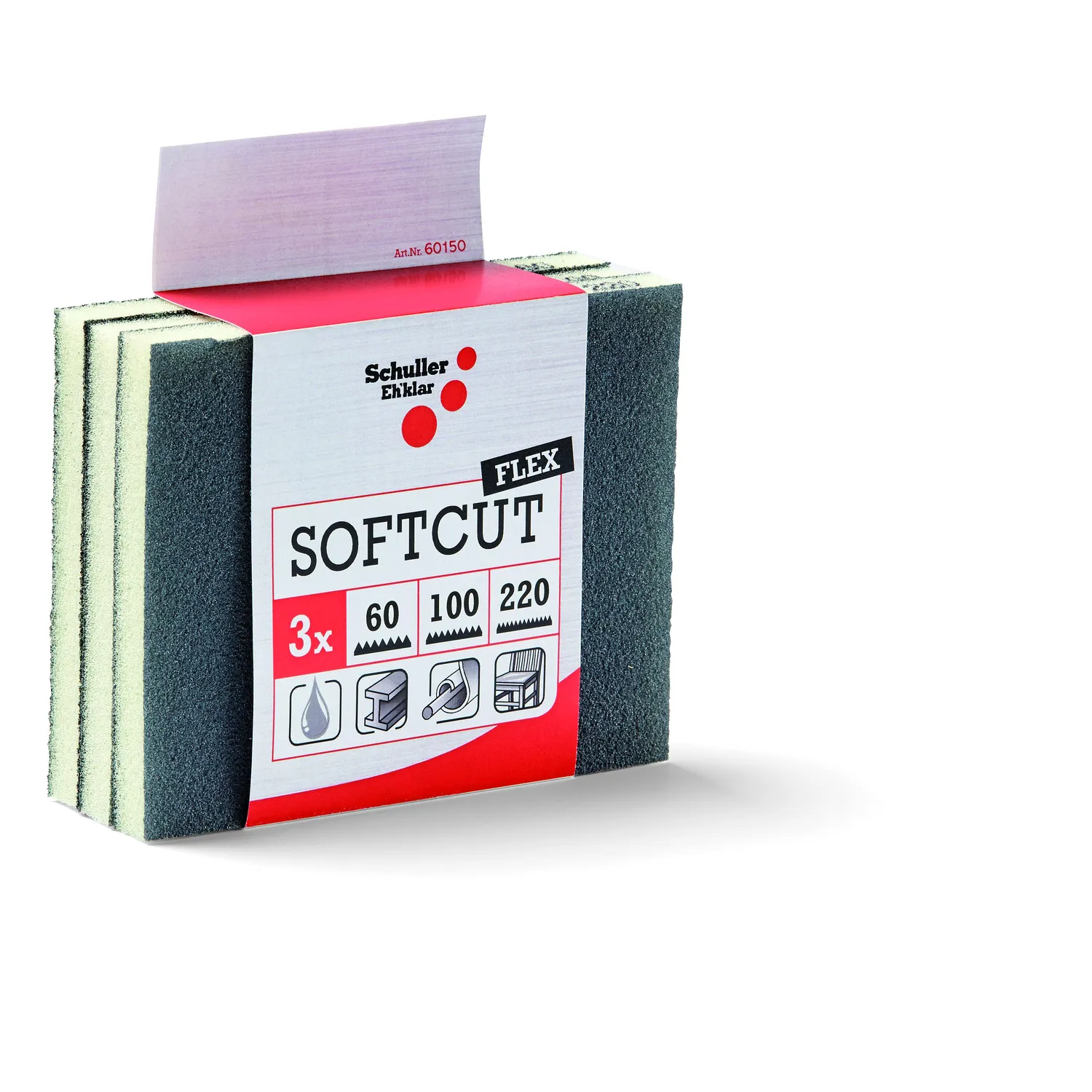
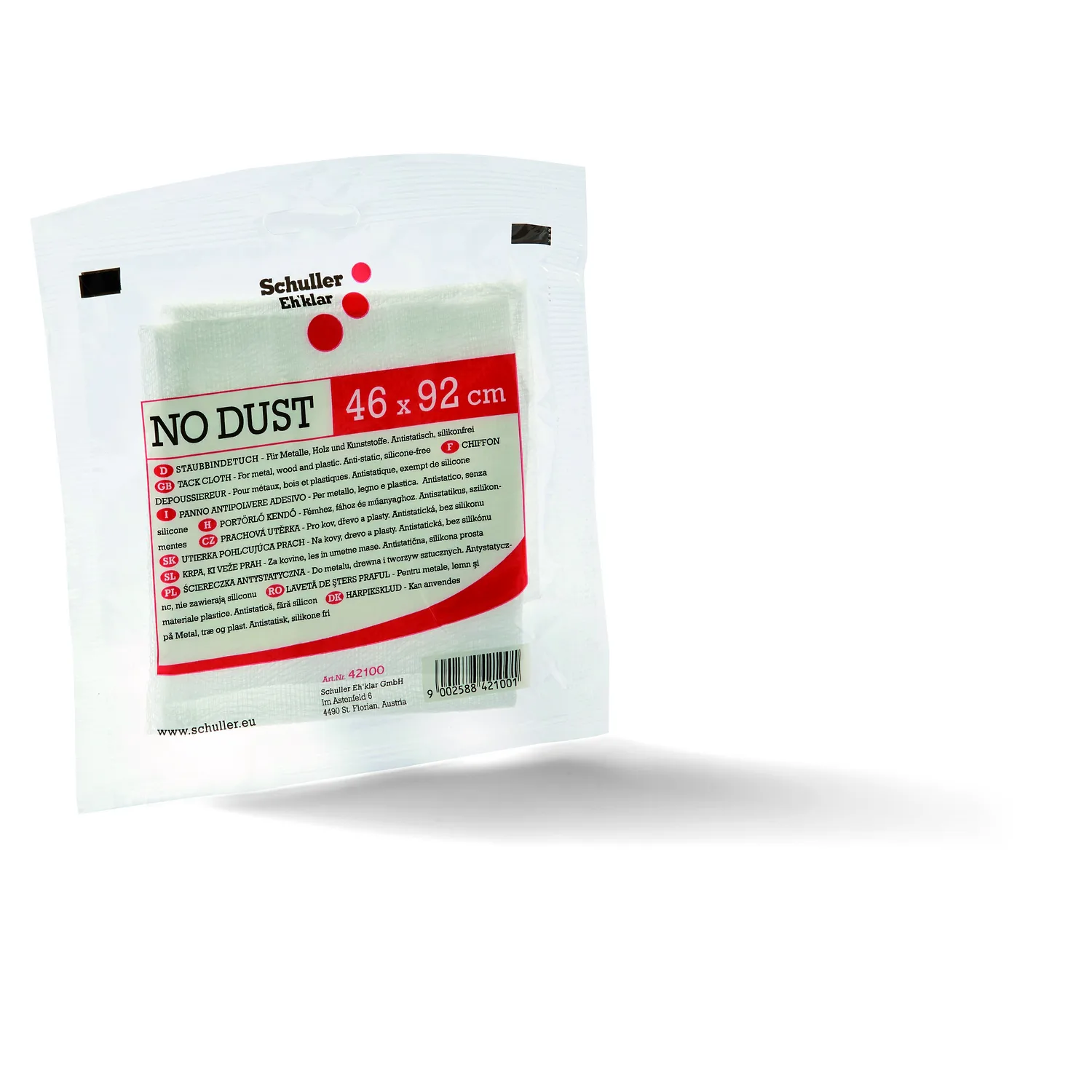
Tools: a paint tray for the roller, a bucket of water and washing-up liquid and a cloth for cleaning, and possibly a mirror to check the back. You will find more rollers and brushes under Paint rollers, brushes & scrubbing brushes.
Optional – depending on your radiator
- Düfa Rust-Protection Primer – for bare steel spots after removing rust. According to the product description it is also intended for hot-water radiators; for the coating system see Step 5.
- Schuller Hand Wire Brush – for removing rust and loose paint in corners and on pipes
- KIP 3804 Fine Masking Tape – for masking the valve, thermostat head, wall and floor junction
- Birtel Protective Sheeting – for the floor and windowsill under the radiator
- Soft Flock Paint Roller 110 mm – for the smooth fronts of panel radiators, designed for acrylic paints
- Eh'klar Radiator Roller, thick version – 7 mm pile, holds more paint, for smooth surfaces
How much paint do you need?
Düfa specifies 80 to 100 ml per m² and coat. This gives the following:
| Tin | Covers per coat | With two coats |
|---|---|---|
| 375 ml | approx. 3.7 to 4.7 m² | approx. 1.9 to 2.3 m² |
| 750 ml | approx. 7.5 to 9.4 m² | approx. 3.7 to 4.7 m² |
Column and tubular radiators have significantly more surface area, because of their fins and gaps, than the visible face suggests. For these, it is better to take one tin more.
Why a dedicated radiator paint?
During the heating season a radiator warms up and cools down again every day. The paint on it has to withstand this heat and should stay white. For the Radiator Gloss Paint, Düfa states exactly the two values that matter here: heat-resistant up to 120 °C and resistant to yellowing. The formulation is water-based and therefore low in odour. The paint film is resistant to knocks, impacts and scratches. It is intended for radiators and heating pipes indoors.
Painting a radiator: step by step
1Turn off the heating and let the radiator cool down
Turn the thermostat off and wait until the radiator is cold. Düfa requires the radiator to cool down before painting. On warm metal, paint dries too quickly and levels poorly. Lay protective sheeting under the radiator and mask off the valve, thermostat head and wall connection with fine masking tape.
Check: The radiator feels cold everywhere, even at the top near the flow pipe.
2Clean and degrease
Wash the radiator with water and a little washing-up liquid and rinse with clean water. According to the manufacturer, the substrate must be dry, clean and free of grease, otherwise the paint will not adhere. Dust collects mainly between the fins and on the top. Then let the radiator dry completely.
Check: A dry finger stays clean after you run it over the surface.
3Remove rust and loose paint
Rust and loose old coats must be removed completely. Work rusty spots back to bare metal with the hand wire brush or the sanding pad in grit 60. If rust is left under the new paint, it will keep rusting underneath and the paint will flake off later.
Check: The treated spots show only shiny, bare metal, with no brown coating.
4Sand the old paint and remove the dust
Sand well-adhering old paint only to a matt finish, do not sand it off. The Softcut Flex sanding pad in grit 100 or 220 follows the curves of the sections with its soft backing. Then vacuum up the dust and wipe over with the tack cloth.
Check: The surface no longer shines, and when you run a finger over it, no dust is left on it.
5Prime bare spots
As a rule, the radiator paint needs no primer. However, according to Düfa you must prime bare metal parts with a rust-protection primer. In our range this is the Düfa Rust-Protection Primer, which according to the description is also suitable for hot-water radiators. It is solvent-based, needs at least two coats and at least 5 °C, and can be overpainted after about 12 hours. Whether Düfa expressly approves it under the water-based radiator paint is not stated in our product data. Ask us before you buy.
Check: Every bare spot has been primed twice and the primer has dried through.
6Paint thinly, one to two coats
Stir the Radiator Gloss Paint well and apply it undiluted. Start at the top and at the hard-to-reach spots: gaps, fins and pipes with the radiator brush or the narrow Goldline roller. Then do the flat surfaces with the roller. Work thinly and brush out drips on the lower edges straight away. Apply the second coat after about 12 hours at the earliest.
Check: After the last coat, no old paint or primer shows through, and no drips hang on the lower edges.
Drying times and consumption at a glance
| Product | Consumption per coat | Touch-dry | Recoatable | Check |
|---|---|---|---|---|
| Düfa Radiator Gloss Paint | 80–100 ml/m² | approx. 1 hour | approx. 12 hours | Surface no longer feels tacky when you tap it lightly with a finger |
| Düfa Rust-Protection Primer | approx. 100 ml/m² | approx. 4–6 hours | approx. 12 hours | Primer evenly matt, two coats |
Values according to the manufacturer at 20 °C and a maximum of 60 % humidity; the rust-protection primer needs at least 5 °C. At lower temperatures and higher humidity it takes longer. Düfa does not state a waiting time before first heating in our product data; let the last coat dry for at least the 12 hours until it can be recoated before you turn the thermostat back up.
Common mistakes – and how to avoid them
- Painted on a warm radiator. The paint dries too quickly and levels poorly. Always let it cool down first.
- Painted over rust. The rust keeps working under the paint. First remove rust back to bare metal, then prime.
- Old paint not sanded. The new paint finds no grip on smooth gloss paint.
- Applied too thickly. Runs form on the lower edges of the sections. Better to paint thinly and apply a second coat if needed.
- Forgot the gaps. What you cannot see from the front, you can see from above. Paint fins and gaps first.
Frequently asked questions about painting radiators
Can I paint radiators with ordinary paint?
Better not. Heat resistance up to 120 °C and resistance to yellowing are specified for Düfa Radiator Gloss Paint. If a paint does not state these values, you do not know how it will behave on the warm surface.
Do I have to prime radiators before painting?
Not usually. According to Düfa, the radiator gloss paint needs no primer on intact, sanded old coats. Only bare metal spots, for example after removing rust, must be primed with a rust-protection primer.
How often do I have to paint a radiator?
Düfa specifies one to two coats. Whether one is enough, you will see after drying: if the old paint, touch-ups or primer show through, apply a second coat.
How long does radiator paint take to dry?
At 20 °C and a maximum of 60 % humidity it is touch-dry after about one hour and recoatable after about 12 hours. Cold and high humidity extend these times.
Do I have to take the radiator down to paint it?
No. With a radiator brush and a narrow radiator roller you can also reach the fins and gaps. The Goldline roller is available from 6 cm width.
How much radiator paint do I need?
Allow 80 to 100 ml per m² and coat. A 750 ml tin is therefore enough for about 7.5 to 9.4 m² per coat.


