

Short answer: A body adhesive must bond firmly and yet stay elastic, because the vehicle vibrates and flexes. For bonding attachments, trims, panels and superstructures, Sikaflex-252, an elastic polyurethane adhesive that Sika developed for bonding in vehicle construction, is suitable. Seal seams and flanges with Sikaflex-221 or Soudal Carjoint. For windscreens, load-bearing body parts and airbag areas we do not stock an approved adhesive; that work belongs in a specialist workshop.
The quick decision: bonding or sealing?
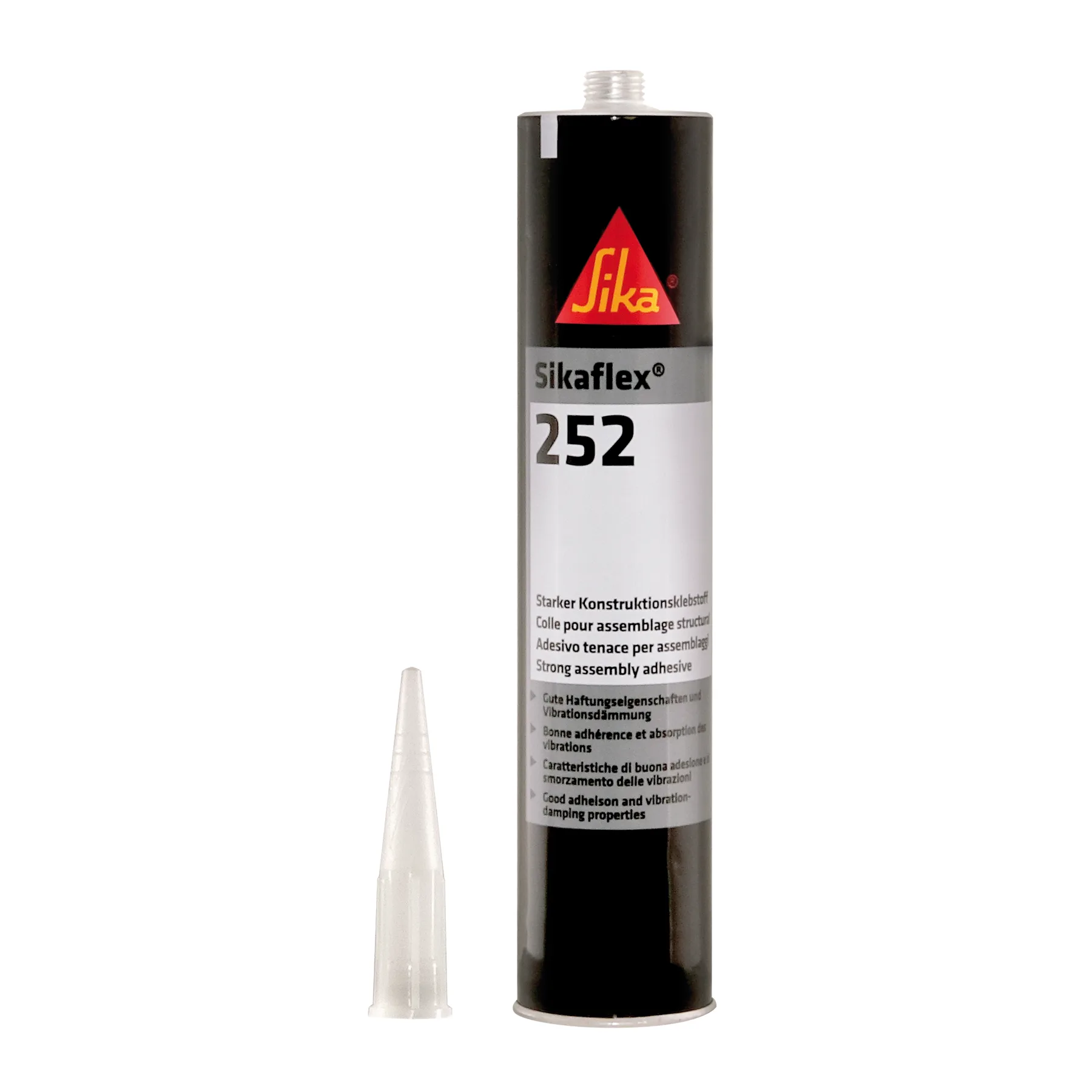
Sikaflex-252 For bonding
- Elastic 1-part PU adhesive for assemblies in vehicle construction
- For aluminium, galvanised sheet steel, 2-part paints, GRP and plastics
- For dynamic loads, vibration-damping
- 2.5 MPa tensile shear strength, colour black
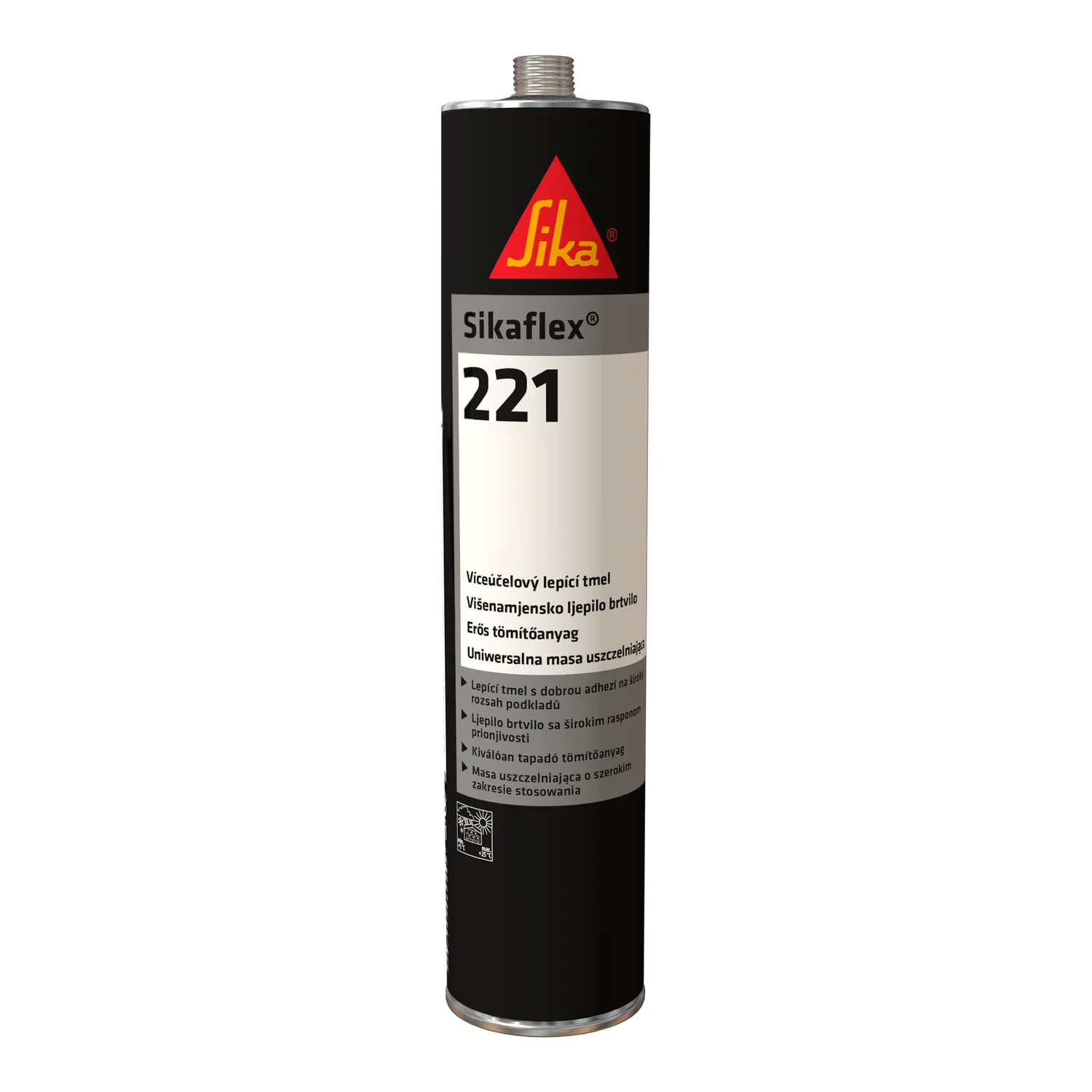
Sikaflex-221 For sealing
- 1-part PU adhesive and sealant for permanently elastic joints
- Focus according to Sika: interior sealing and simple bonds
- Overpaintable after skin formation, sandable when cured
- In the shop in black, steel grey and plain white
How to recognise a good body adhesive
We do not name a test winner. Whether an adhesive is suitable depends on your application. Check five points in the data sheet before you buy.
- Elasticity: A rigid adhesive cracks when panel and attachment move differently. Sikaflex-252 achieves 400 % elongation at break at 3 MPa tensile strength.
- Adhesion to your substrate: The data sheet must expressly name the metal, paint or plastic of your component.
- Resistance: According to the data sheets, both Sikaflex products withstand fresh and sea water, dilute acids and alkalis. Against fuels and mineral oils they are resistant only for short periods.
- Paintability: If you want to paint the joint in body colour, you need an adhesive whose data sheet expressly allows it. When silicone can serve as an adhesive and when it cannot is explained in the guide Bonding with silicone.
- Time window: The skin-forming time determines how long you can align parts or smooth joints.
You will find further elastic adhesives for metal in the category Metal adhesives.
Which adhesive for which application?
| Application | Product | Pre-treatment |
|---|---|---|
| Spoilers, trims, attachments made of plastic or GRP | Sikaflex-252 | Prime the plastic with Sika Primer-209 D |
| Panels, cladding and superstructures made of aluminium or galvanised steel, e.g. on a motorhome or trailer | Sikaflex-252 | Clean and activate the metal with Sika Haftreiniger-1 |
| Seams and joints in the interior, including inside superstructures | Sikaflex-221 | clean, dry, grease-free; depending on the substrate Haftreiniger-1 |
| Panel overlaps on commercial vehicles, caravans and containers | Soudal Carjoint | clean, dry, grease-free (observe the manufacturer's instructions) |
| Windscreen, sills, pillars, members, airbag areas | no product from our range | specialist workshop |
Sikaflex-221 or Sikaflex-252: the differences
Both products come from the same Sika family and cure with atmospheric moisture. The difference lies in their purpose: the 252 is an adhesive for loaded joints, the 221 is primarily a sealant.
| Criterion | Sikaflex-252 | Sikaflex-221 |
|---|---|---|
| Purpose according to data sheet | Bonding large assemblies in vehicle construction | Permanently elastic joints, interior sealing, simple bonds |
| Shore A hardness | 50 | 40 |
| Tensile strength | 3 MPa | 1.8 MPa |
| Elongation at break | 400 % | 500 % |
| Tensile shear strength | 2.5 MPa | not stated |
| Skin-forming time (23 °C, 50 % r.h.) | 40 minutes | 60 minutes |
| Processing | 10 to 35 °C | 5 to 40 °C |
| Service temperature | -40 to 90 °C | -50 to 90 °C |
| Colours in the shop | Black | Black, steel grey, plain white |
Pre-treatment: cleaner and primer decide adhesion
Sika specifies for both products: the bonding surfaces must be clean, dry and free of grease, oil and dust. Which pre-treatment your substrate needs exactly is stated in the Sika pre-treatment table for one-part polyurethanes. In any case, carry out a trial with the original parts.
Metal and painted surfaces
Sika Haftreiniger-1 cleans and activates non-porous bonding surfaces such as metal, plastic and paint before bonding with Sikaflex, according to the data sheet. Apply with a lint-free cloth, let it flash off for at least 15 minutes and bond within 6 hours. Clean oily surfaces thoroughly beforehand; pre-clean sensitive plastics and paints with Sika Remover-208.
Plastics and paints with difficult adhesion
Sika Primer-209 D was developed by Sika for bonding surfaces in combination with Sikaflex, among others for GRP, PVC, ABS, PMMA, polycarbonate as well as acrylic, powder and stoving paints. Shake the can until the mixing balls can be clearly heard, then apply thinly and with full coverage in one pass. At 15 °C and above, bond after 10 minutes, at the latest after 24 hours. Whether the adhesion cleaner is enough on your paint or the primer is needed, the trial will show.
If the adhesive still does not stick, you will find further causes in the guide Silicone or adhesive does not stick.
Processing in brief
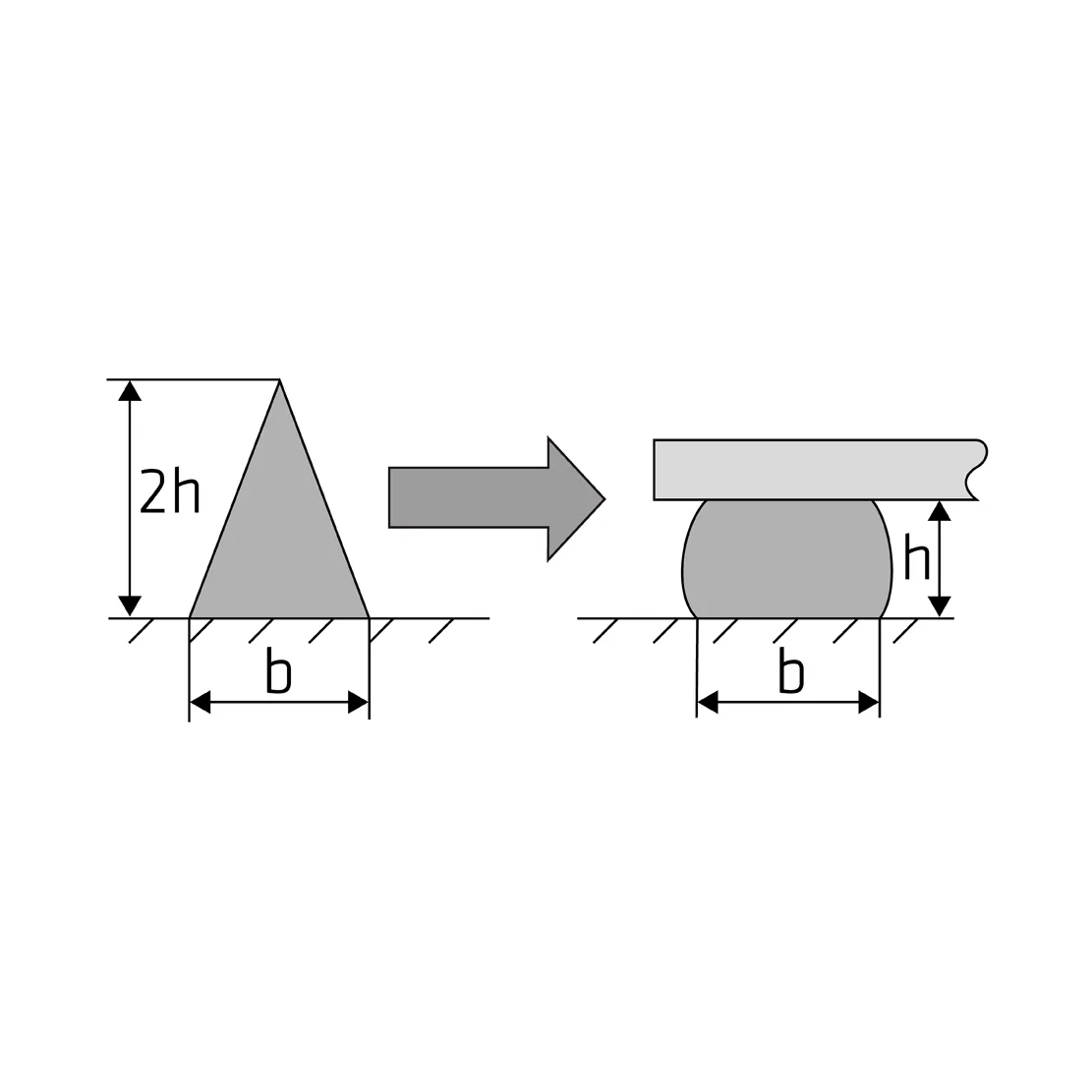
According to the data sheet, apply Sikaflex-252 as a triangular bead. This way the adhesive layer is evenly thick after pressing on. Join the parts within the skin-forming time of 40 minutes, not afterwards. Smooth Sikaflex-221 before skin formation; Sika recommends Sika Abglättmittel N for this.
Process both products with a cartridge gun. The Otto Kartuschenpresse H40+ has a 17:1 gear ratio and, according to the manufacturer, is suitable for polyurethanes. Remove fresh adhesive from tools and parts with Sika Remover-208. Cured material can only be removed mechanically.
Both Sikaflex contain isocyanates. Wear nitrile gloves and safety goggles and ensure good ventilation. Commercial users need training under REACH since 24/08/2023. Sika considers both products suitable only for experienced users.
Limits: windscreen, sills and load-bearing parts
Windscreens and side glass are part of vehicle safety. This requires a windscreen adhesive approved for exactly this purpose, and we do not stock one. The same applies to load-bearing, crash-relevant parts such as sills, pillars and longitudinal members, and to areas in which airbags deploy. The repair specifications of the vehicle manufacturer apply here. Have this work carried out in a specialist workshop.
Frequently asked questions about body adhesive
Which body adhesive is the best?
There is no single best one. What matters is whether the data sheet names your substrate and your load. For attachments, panels and superstructures Sikaflex-252 is the suitable choice from our range, for seams and joints Sikaflex-221.
Which Sikaflex should I use for the bodywork?
For bonding, Sikaflex-252: it is firmer and made for dynamically loaded assemblies in vehicle construction. For sealing, Sikaflex-221: it is softer and more stretchable, and it comes in three colours.
Is body adhesive also available as 2-part?
We do not stock 2-part body adhesive approved for body repair. Sikaflex-252 and -221 are one-part and cure with atmospheric moisture.
Can I bond a sill instead of welding it?
Not with the products from our shop. For load-bearing parts such as the sill we do not stock an approved adhesive.
Is body adhesive paintable?
Yes, both Sikaflex products are paintable according to their data sheets, the 221 already after skin formation. For the 221, Sika lists 1-part PUR and 2-part acrylic paints as generally suitable. Check paint compatibility beforehand on a test piece.
Can I use normal assembly adhesive on the car?
Only if its data sheet covers metal, paint and plastic as well as use on the vehicle. Sikaflex-252 expressly names vehicle construction. How MS polymer adhesives differ from it is explained in the guide MS polymer.


